Indian children enrolled at the Belcourt School on the Turtle Mountain
Indian Reservation were the first in the state of North Dakota to make
simple pottery under a plan developed by Miss Margaret Cable. Miss Cable of
UND put a course together after first hand study of how the Southwestern
Indians made their world famous pottery with only their hands, the native
clay and liberal supplies of cow dung for firing. This was suitable for
rural schools, high schools, camp and club projects. The plan appears but a
natural step beyond the sand pile and mud pie stage of handiwork, but
results in bowls, plates and little containers, decorated with designs which
might have been made with a stick, a thumbnail or any instrument at hand.
The course aimed to make it possible for the children of North Dakota to
utilize the local clays obtainable on every hand and make simple hand molded
pottery with no more equipment then can be found in any rural school yard or
its immediate vicinity.
Mrs. Carey (Corbert) Grant an art and handicrafts instructor at the
Belcourt school was the first teacher to complete the teacher training
course at the University of North Dakota Ceramics Department in March 1936.
Mrs. Grant did her research work under the supervision of Miss Frieda
Hammers.
At this time the school year at the reservation was April 1 to December
1due to bad weather and roads in the winter. As they had no kilns at this
time, school during the summer made it easier to use the cow dung method of
firing. Pottery was started with the April 1936 school year. Mrs. Grant
taught beadwork, leather craft, clay craft and general art. In the first
year (1936) of clay craft they produced 1647 pieces of pottery.
In November of 1936 Mrs. Grant was at UND in Grand Forks to continue work
on glazes. She worked out a number of colored and colorless glazes, which
would work with the reservation clay. Also by November of 1936 the Belcourt
School had two kilns installed. A large one with kerosene burners was
installed in the new community building. This made it possible to fire the
pottery to a higher temperature and use high fire glazes then was possible
with the cow dung method. Also a small electric test kiln had been installed
in the arts and crafts room. This made it possible to make quick tests of
clays and glazes and was also use in research along those lines. Later on
Emma Parisien a former student was responsible for making the glazes.
In January 1937 pottery (clay craft) was added to the adult education
evening classes.
Mrs. Grant writes in September of 1937 that there were a large number of
outside visitors that came to Belcourt that summer. One of the things they
were shown was the arts and crafts department. The pottery, basketry,
beadwork and finger weaving exhibits attracted lots of attention. There were
quite a large number of sales of Indian handicraft to the tourists.
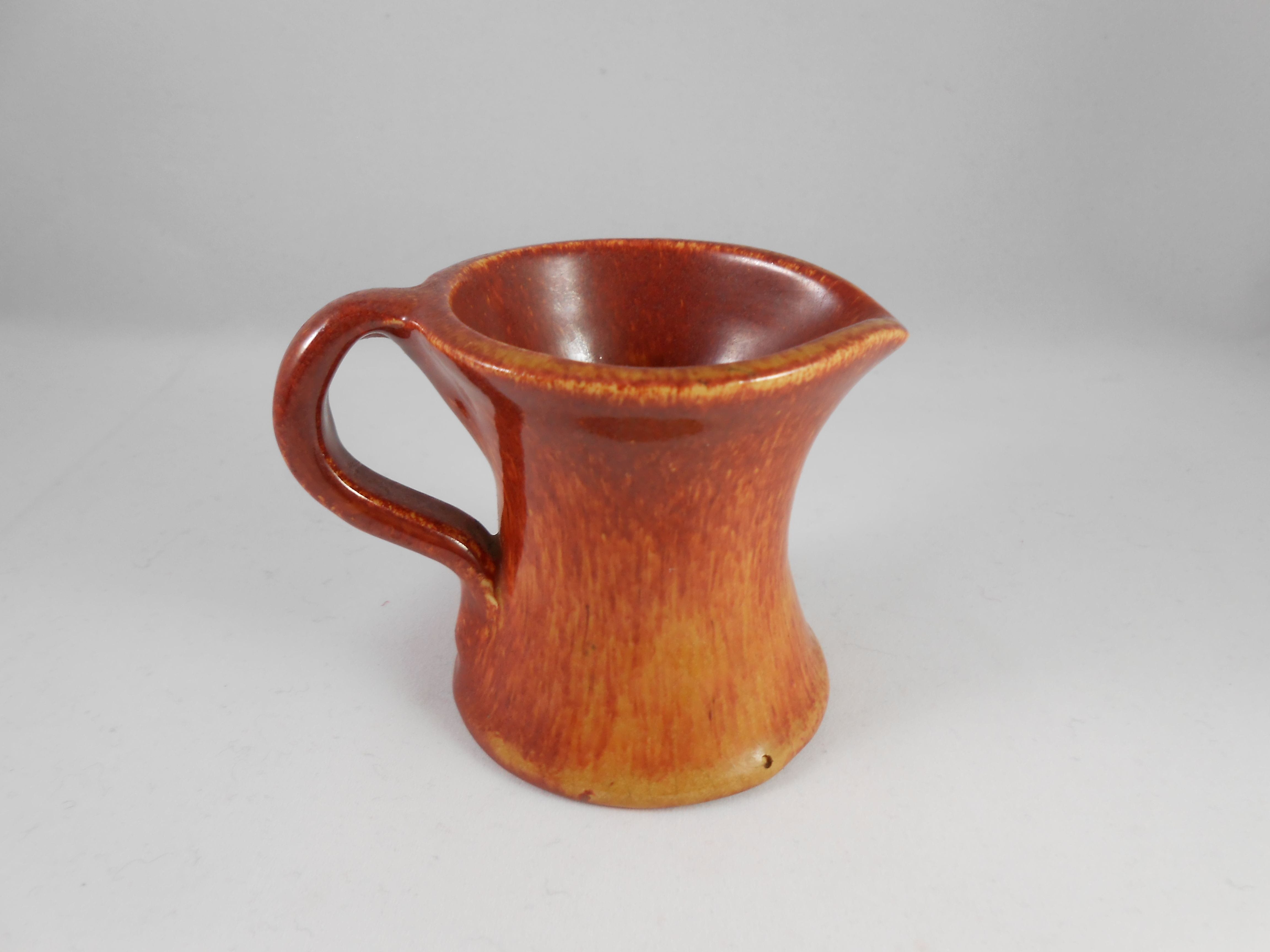
Clay was obtained from a ditch near the school. When this clay was fired
it took on a soft brownish red color. Most of the clay used was native clay
from the reservation, but some clay from different areas of North Dakota was
used. Clays, firing methods and glaze accounted for the different
shades of red.
In firing the cow dung method you support an iron grate with bricks. Then
you put the pottery pieces on the grate. Now you make a dome over all of
this with sun dried cow dung. With this method and type of fuel you could
reach a temperature of 700 degrees centigrade in 45 minutes. The same
process with wood requires a more complicated method and several hours time,
with less likelihood of dependable results.
Taking their cue from the Southwestern Indians who used no glaze, some
pieces were finished by burnishing with a small satin smooth stone or smooth
bone, to a glassy sheen and then fired. The pieces would come out with a
polished glossy look. You could end up with a red or black finish. The red
and black pieces went through identical process up to the stage where the
temperature had reached 700 degrees. At that point if you want black pieces,
the fire would be smothered with organic material. The clay then, instead of
oxidizing with the resulting red color, is carbonized and becomes the
lustrous black ware.
The children did all of the preparing, from digging the clay, cleaning it
of foreign particles, drying it to the proper stage, aging the clay, and
wedging (the kneading process) the clay for use. All of the work was done
with the simplest tools and the cost of preparation was kept to the minimum.
The child got to take home the first piece that they made. The other pieces
that the child made were displayed in the craft room and if they were sold
the child got to take part of the money home and the other part was used to
buy more supplies.
All of the work was hand molded. That is, a potter’s wheel was not used.
They used the thumb method and the coil method to make their pieces. Two
types of finishes were used, some pieces were polished (burnished) and
others were glazed, before firing. Designs were either scratched or painted
on the surface. The type of clay found on the reservation and the hand
molded, combined with the native Chippewa designs developed a pottery which
was attractive and somewhat different from other types of pottery that were
on the market at that time.
Orders for the pottery were received from several places in the United
States and Canada. The first pieces were ready for sale the middle of the
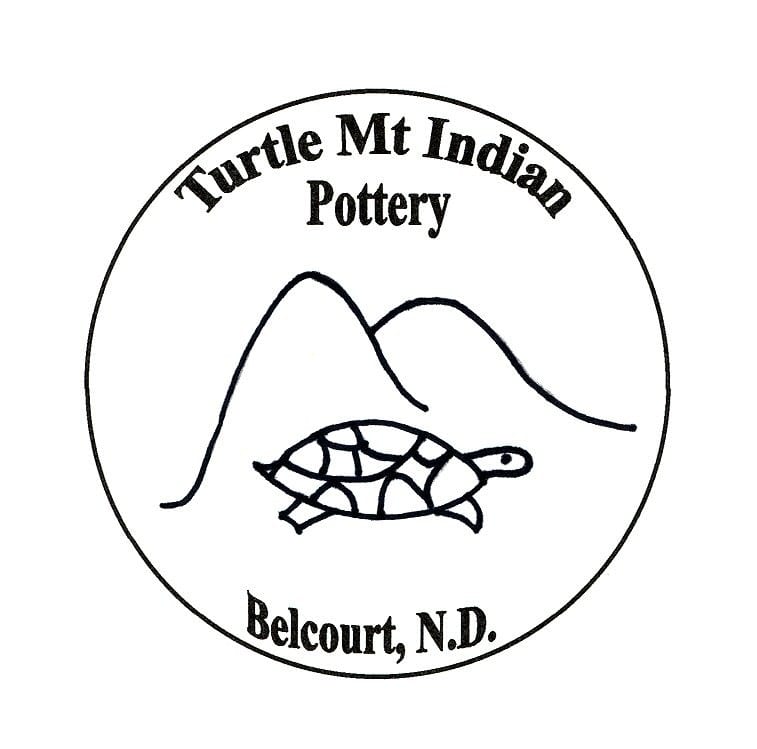
summer of 1936. Each piece was incised "Turtle Mountain Indian Pottery,
Belcourt, N. D." or as much as there was room for on the base of the article
and a number. Also some pieces have a turtle with two mountains incised on
the base of the article. Some pieces have the potter’s name incised on the
base also. A few of the potter’s names are Emma Parisien, Nora Azure, Elda
Poitra, Cecelia Martin, Belle Rose Decoteau, Joan Decoteau, Mary R Belgarde,
Annie Jerome, Francis Decoteau, Francis LaFrombois and B.J. A careful record
was kept of each piece molded.
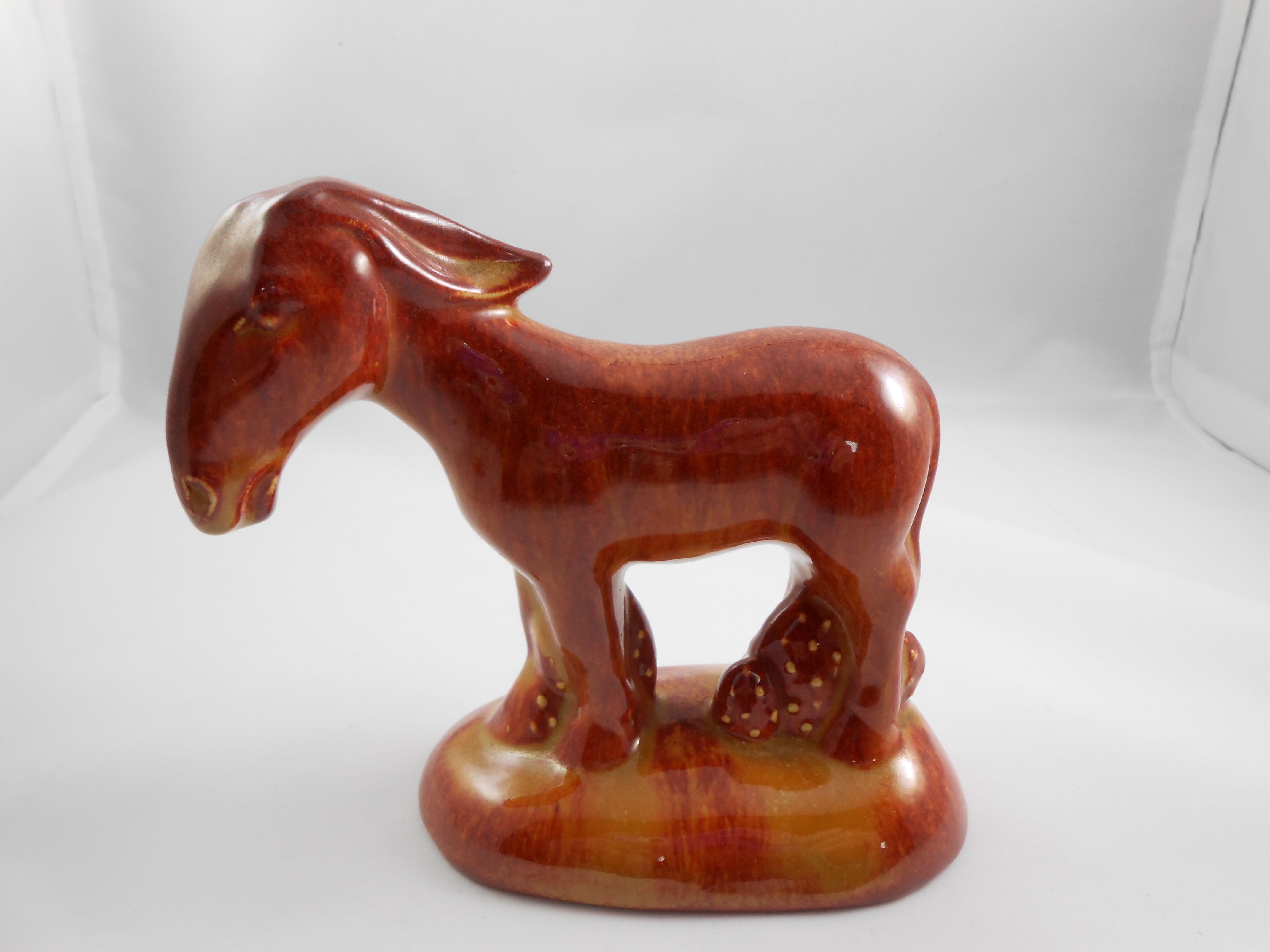
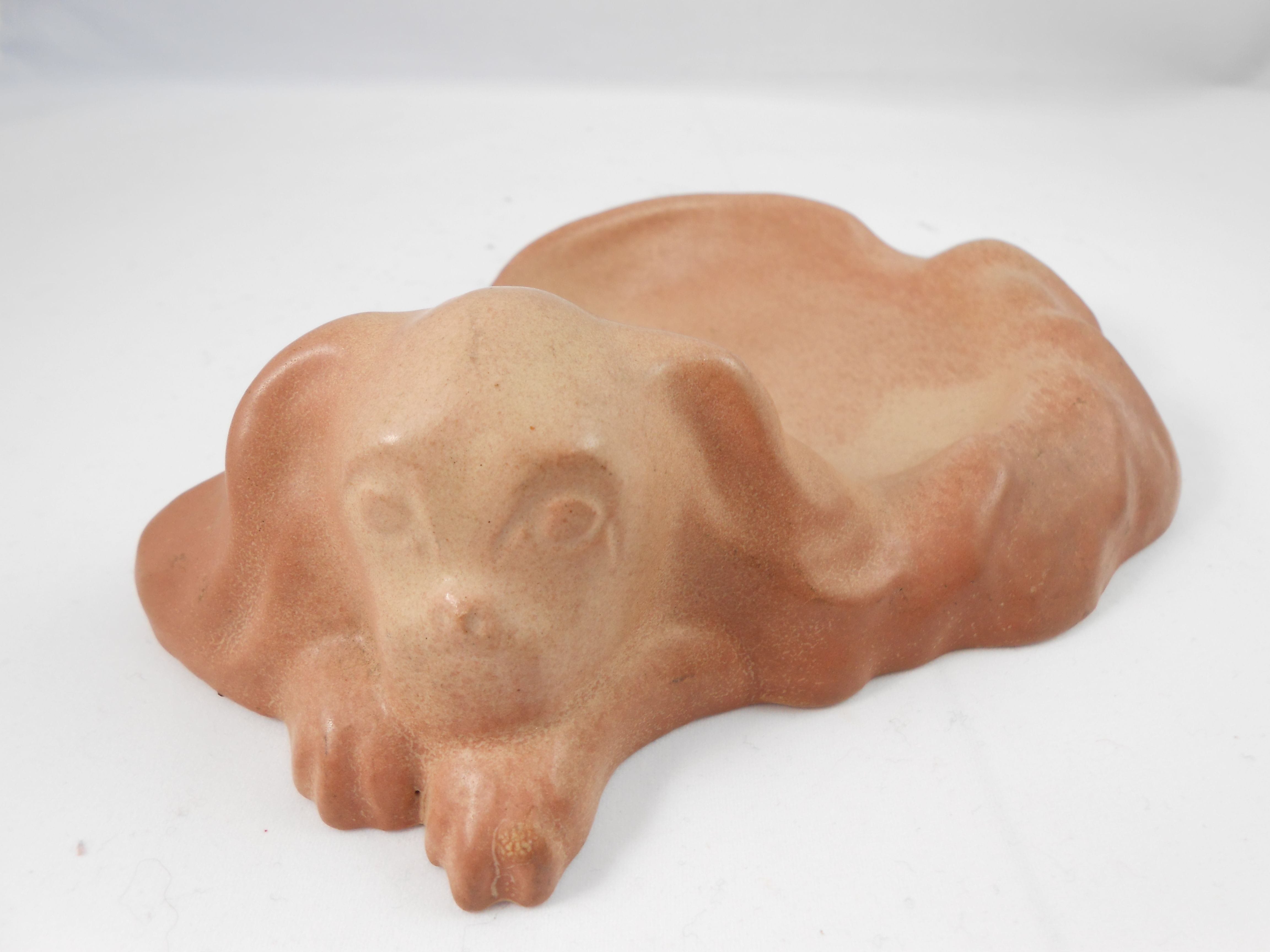
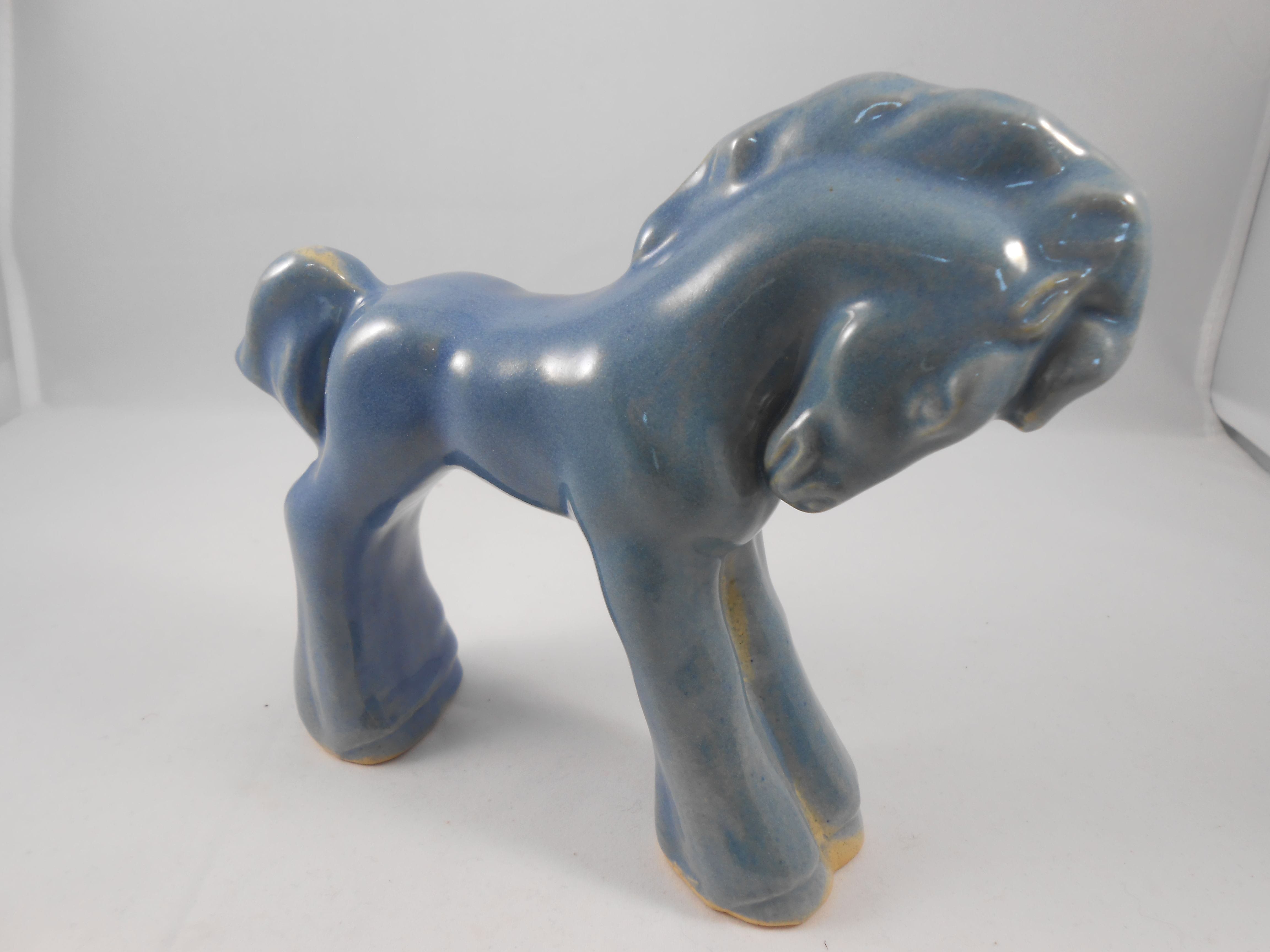
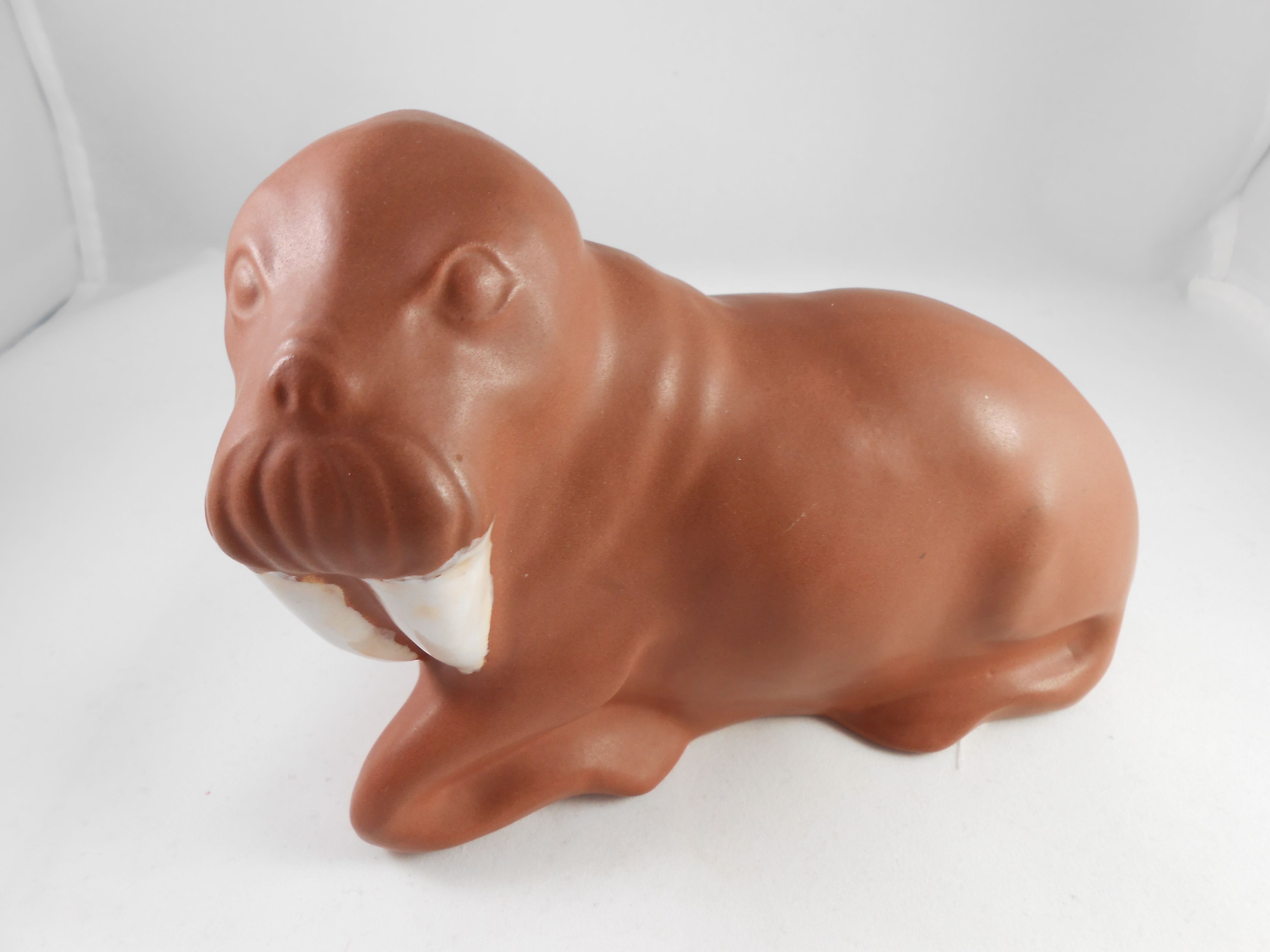
Some of the items that were made are plates, bowls, table top tiles, tea
tiles, wall plaques, lamp bases, candle holders, ash trays, candy dishes,
trinket trays and novelty paper weights.
As of now, we are unable to determine the date that the pottery program
was discontinued. In an interview we were led to
believe the pottery program was in existence for only several years,
possibly closing in 1942.
Copyright 2003 by Arley H. & Bonnie J.
Olson